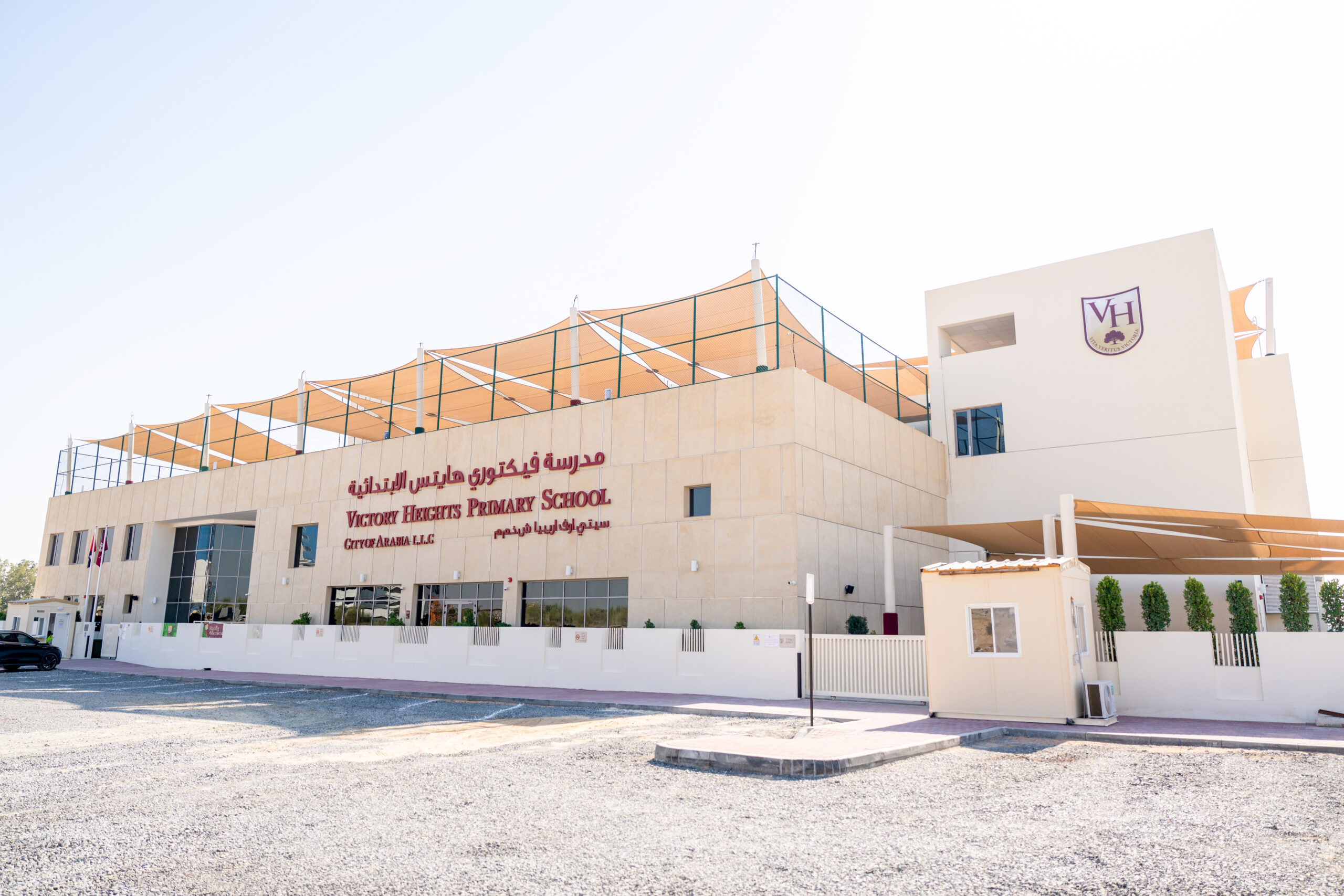
Key Stage 1 (Years 1 and 2) is a time of developing confidence, curiosity and foundational learning. At Victory Heights Primary School – City of Arabia, we build on early years foundations to help children become confident, independent learners who can think, communicate and problem-solve with purpose.
What Do Children Learn in Key Stage 1?
Our Key Stage 1 curriculum is based on the National Curriculum for England and is structured to deepen understanding across all core subjects while nurturing curiosity in a broad range of areas.
In Year 1 and Year 2, children continue to develop skills in:
- English (Reading, Writing, Speaking & Listening) – building confidence with language and expression.
- Mathematics – developing number sense, reasoning and problem-solving.
- Science – exploring living things, materials, seasons and natural phenomena.
- History & Geography – building curiosity about people, places and change over time.
- Languages (including Arabic & Spanish) – broadening communication and cultural understanding.
This integrated approach ensures that children not only learn content but build skills they will use throughout their school life.
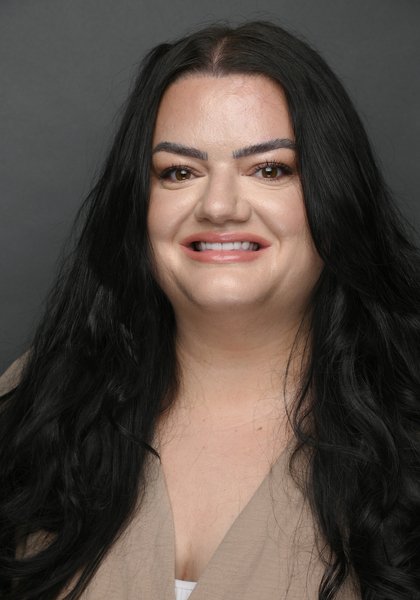
Key Stage 1 is an exciting phase of learning where children begin to express themselves with confidence and build the solid foundations for future success.
I am passionate about ensuring every child feels supported as they develop their skills, make new discoveries and grow as thinkers and communicators. In Key Stage 1, learning becomes more intentional and purposeful — but it still retains curiosity, joy and the wonder of discovery.
It is a privilege to work alongside children and families during this important stage of their journey.
How Children Learn in Key Stage 1
Teaching in Key Stage 1 is purposeful and structured, ensuring that there are clear learning intentions in every lesson. At the same time, lessons are designed to be engaging and accessible, helping children make connections between their learning and the world around them.
Learning is active: children work collaboratively, engage in hands-on activities, and are encouraged to articulate their thinking. Teachers use ongoing assessment to adapt learning, challenge thinking and support every child’s progress.
What Success Looks Like
Children who thrive in Key Stage 1 can:
- Read with increasing confidence and comprehension.
- Write with growing fluency and expression.
- Solve problems using logical thinking.
- Ask thoughtful questions and make connections.
- Collaborate with peers and contribute with confidence.
- Approach challenge with resilience and curiosity.
Our goal is that every child leaves Key Stage 1 ready for the next phase of learning — equipped with strong foundations and a positive attitude towards school life.
Frequently Asked Questions
Foundation Stage focuses on early development through learning experiences and play, while Key Stage 1 builds on this foundation with more structured learning in core subjects, developing confidence, independence and academic skills.
Teachers use ongoing assessment and modified instruction to ensure that all children are supported. Where appropriate, structured interventions and targeted support help learners build confidence and achieve their potential.
Reading in Key Stage 1 is developed through a structured phonics programme, high-quality texts, guided reading sessions and opportunities to apply skills across the curriculum. Children are supported to read with fluency and understanding.
Explore Key Stage 2
See how learning progresses in Years 3–6, where children deepen their knowledge, develop greater independence, and prepare for the next stage of their education.