At Victory Heights Primary – City of Arabia, every child is part of a House from their very first day.
Our House System grows with them — beginning in our Junior Houses (FS1–Y2) and progressing into our Senior Houses (Y3–Y6), where leadership and responsibility take centre stage.
Junior Houses: Building Foundations
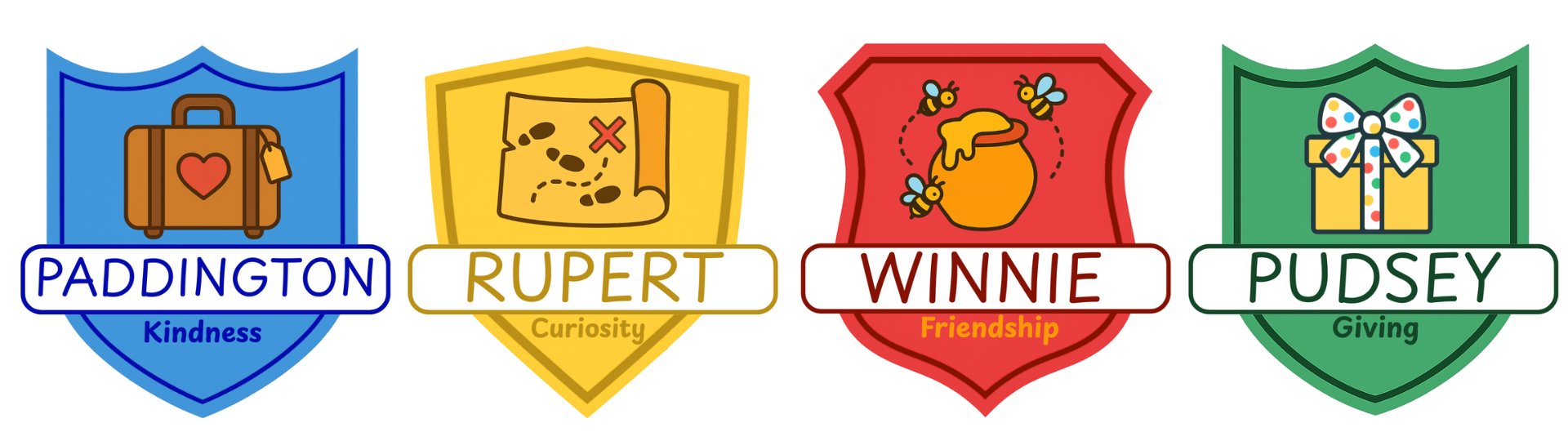
In the early years and Key Stage 1, our House System focuses on belonging and participation.
Children earn house points for kindness, effort and positive behaviour. They take part in friendly competitions, assemblies and celebration moments that build confidence and identity from a young age.
Senior Houses: Growing Leaders
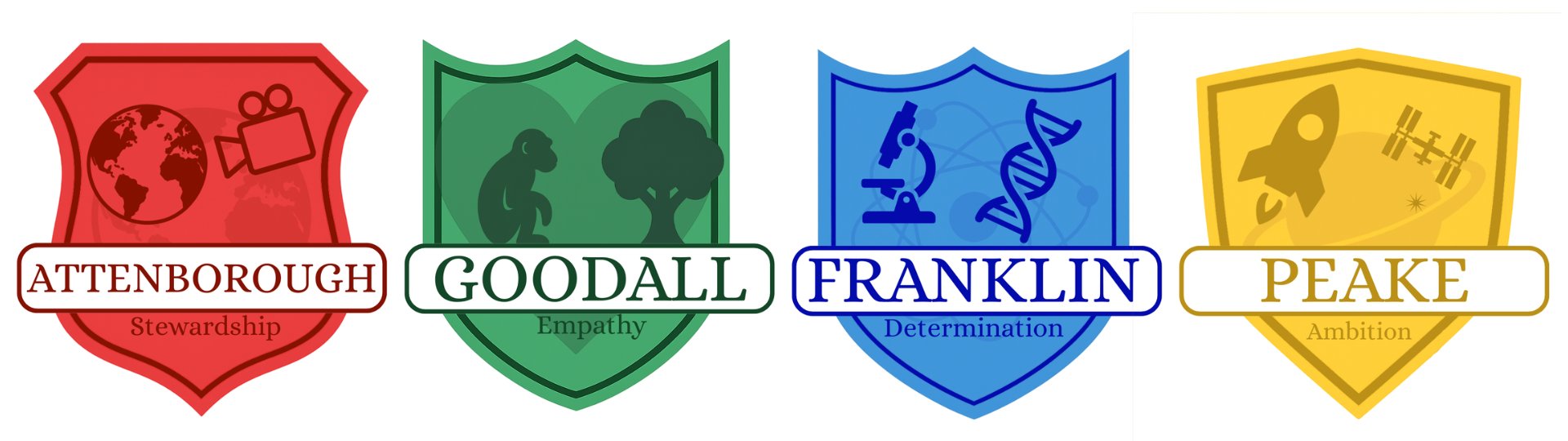
From Year 3 onwards, the House System evolves.
Pupils take on leadership roles, represent their House in sporting and academic competitions, and mentor younger students.
Our Senior Houses foster responsibility, teamwork and pride — preparing children for the expectations of secondary school and beyond.
What Are the Inter-House Events?
- Sports Day competitions
- Swimming galas
- Academic challenges and quizzes
- Creative arts competitions
- House assemblies
- Charity and community projects
House Kits
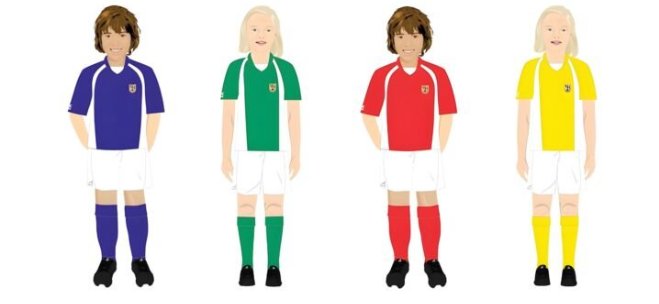
Each house has its own distinctive kit worn during house events, sports day, and inter-house competitions. House kits are available through our designated uniform supplier.
The house system teaches children that they are part of something bigger than themselves. It builds leadership, empathy, and a healthy competitive spirit.
Victory Heights Primary SchoolCelebrating Achievement
House points are celebrated weekly and termly.
From Sports Day to academic challenges, our House System ensures that success is recognised — not just individually, but collectively.
I am incredibly proud of the role our House System plays in shaping the culture of our school. It connects children across year groups, gives them a shared identity and encourages them to contribute positively to the community around them.
Whether in our Junior Houses, where we nurture confidence and participation, or in our Senior Houses, where leadership and responsibility come to the forefront, every child has the opportunity to grow within their team.
For me, the most important part is seeing children support one another and celebrate success together.
Frequently Asked Questions
Children are allocated to a House when they join Victory Heights Primary – City of Arabia. Where possible, siblings are placed in the same House to strengthen family connection and community spirit. Once assigned, children remain in their House throughout their time at the school, allowing identity and loyalty to grow year on year.
Our House System grows with the child.
In our Junior Houses (FS1–Year 2), the focus is on participation, encouragement and developing a strong sense of belonging. Children earn points for effort, kindness and positive contributions to school life.
In our Senior Houses (Year 3–Year 6), the system becomes increasingly leadership-focused. Pupils take on responsibilities, represent their House in competitions and act as role models for younger students.
House points are awarded by staff for effort, progress, kindness and demonstration of our school values. Points are celebrated regularly in assemblies, with termly recognition for overall House achievement.
Our aim is not simply competition, but collective pride — ensuring every child feels that their contribution matters.
Children remain in their allocated House throughout their time at Victory Heights Primary – City of Arabia. This continuity helps to build loyalty, identity and long-term friendships within each House.
In exceptional circumstances, the school may review a placement, but our aim is for every child to feel proud of their House from the very beginning.
Our House names were chosen through a pupil vote, ensuring that children had a meaningful voice in shaping the identity of our school community.
By involving pupils in the decision-making process, we strengthened the sense of ownership and belonging from the outset. The chosen names reflect the values and spirit we want our Houses to represent.
Our House names reflect both our British heritage and the journey children take as they grow through the school.
In our Junior Houses (FS1–Year 2), children join Houses named after iconic British bears — Pudsey, Rupert, Paddington and Winnie — beloved characters from children’s literature who represent kindness, curiosity and imagination. These names sit proudly alongside our own school mascot, Basil, reinforcing a strong sense of belonging from the very beginning.
In our Senior Houses (Year 3–Year 6), pupils move into Houses named after British explorers, scientists and conservationists — Peake, Franklin, Goodall and Attenborough — whose work has shaped our understanding of the world. These figures represent courage, discovery and leadership.
Together, this progression reflects our belief that childhood imagination lays the foundation for real-world achievement.
Join Our Community
Discover which house your child will belong to. Book a tour to learn more about our vibrant house system.